You're not alone. Most speakers either lowball themselves out of fear or pull a figure from thin air with zero rationale behind it. The truth is that speaking fees have no fixed formula. Bureau listings show ranges from under $10,000 to $400,000-plus, and where you land depends far more on positioning and perceived value than raw talent or years on stage.
This guide breaks down real fee ranges by experience level, the factors that move your price up or down, the pricing models speakers actually use, and how to land on a number you can quote without flinching.
Key Takeaways
- Speaking fees range from under $10,000 for emerging speakers to $400,000+ for celebrity names, with most professionals landing between $10,000-$50,000
- Market perception, not self-assessment, sets your pricing ceiling: identical expertise can command wildly different fees depending on positioning
- Flat fees dominate the keynote market, though value-based pricing frameworks and strategic free speaking both have legitimate use cases
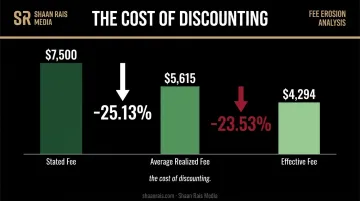
- Realized fees often trail stated rates; one documented case saw a $7,500 fee average just $4,294 after discounting
- Underpricing out of fear and skipping expense itemization are the two costliest mistakes new speakers make
Speaking Fee Ranges: What Speakers Actually Charge
There's no universal price list for speaking gigs. Instead, bureaus organize speakers into tiers based on recognition, demand, and track record. A 2023 industry survey found the average in-person speaking fee sat at $15,551.72, with over half of speakers charging under $10,000. That's the reality most new and mid-career speakers are working within, not the six-figure headlines you see attached to celebrity names.
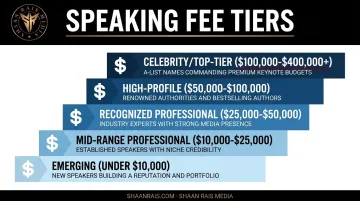
Positioning, more than raw talent, determines which tier a speaker lands in. Here's how the market typically breaks down:
| Tier | Fee Range | Who Falls Here |
|---|---|---|
| Emerging | Under $10,000 | New speakers, niche specialists building credibility |
| Mid-range professional | $10,000-$25,000 | Experienced professionals with a track record |
| Recognized professional | $25,000-$50,000 | Nationally known experts, bestselling authors |
| High-profile | $50,000-$100,000 | Global figures, major business leaders |
| Celebrity/top-tier | $100,000-$400,000+ | Household names, former executives, athletes |
Beginner and Mid-Range Speakers
New speakers typically charge under $10,000, and plenty start for free or a few hundred dollars to build a demo reel and testimonials. This tier is about building a portfolio, not maximizing income.
Mid-range speakers command $10,000-$25,000. This tier requires a demonstrated track record, defined niche expertise, and some willingness to customize content per audience. Repeat bookings and published content (articles, a book, a podcast) tend to accelerate a speaker's move into this bracket.
Professional and Celebrity-Tier Speakers
Professional, in-demand speakers ($25,000-$50,000) usually have bestselling books, recognized industry authority, or a strong media presence. At this level, event organizers are paying for a name they can promote on the marketing materials, not just 45 minutes of content.
Celebrity and top-tier speakers ($100,000-$400,000+) are booked for name recognition and drawing power. Organizations pay this tier because a former executive, athlete, or political figure sells tickets and headlines — expertise alone doesn't justify these numbers.
Key Factors That Determine Your Speaking Fee
Fee-setting isn't arbitrary. It's shaped by a mix of tangible credentials and intangible market perception — and the same expertise can be priced wildly differently depending on how it's packaged.
Experience, Expertise, and Track Record
Years of experience and documented results matter, but they aren't the whole story. Bureaus report fees ranging from $5,000 to six figures depending on expertise and demand. Yet tenure alone doesn't guarantee a five-figure fee — case studies, testimonials, and media features still need to be paired with visibility.
Perceived Value and Positioning (Not Just Talent)
Here's the uncomfortable truth: event planners pay based on perceived value, not raw skill. Two speakers with identical expertise can charge wildly different fees depending on how clearly the market understands and categorizes what they do.
Branding strategist Shaan Rais built his practice on this exact premise: the most talented operators in a room are rarely the highest paid, but the most positioned ones are. His own keynote, "Positioning Creates Opportunity," reportedly closed $250,000 in new business within 72 hours of a single stage appearance, a result he attributes to positioning rather than content alone.
Audience Size, Event Type, and Industry
Beyond how you're positioned, the type of event you're booked for shapes what you can charge. Corporate budgets differ dramatically from non-profit or academic ones. Interestingly, 60.69% of speakers surveyed said total audience size didn't directly affect their fee — though a larger audience can still influence whether a speaker accepts a lower rate for the future opportunities it might generate.
Travel, Location, and Logistics
International or hard-to-reach venues typically warrant added expense reimbursement, and treatment varies by speaker: some bundle travel into the fee, others itemize it separately. Get this in writing before you agree to anything.
Preparation and Customization Time
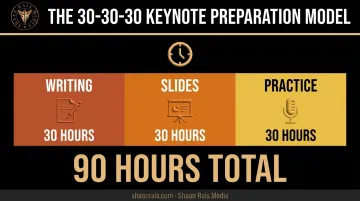
Prep work is invisible to event planners but very real for speakers. Sourced benchmarks include at least 10 hours of rehearsal for a single presentation, and some speaker coaches cite a 30-hours-writing, 30-hours-slides, 30-hours-practice model for developing a new keynote from scratch. A strong 45-minute talk can take days or weeks to prepare properly — factor that hidden labor into your number.
Common Speaking Fee Pricing Models
Speakers don't have to pick one universal number. Different structures serve different goals and career stages.
Flat Fee
A single set rate per engagement. This is the most common and simplest structure for keynote-style talks, and it's what most speaker bureaus contract on.
Per-Person Fee
A rate calculated per attendee. This model shows up more often in workshops or ticketed events than in standard keynote contracts, where it can help planners justify the fee against expected ticket revenue.
Hourly or Day Rate
Based on total time invested — prep, travel, and stage time combined. Better suited to consulting-style sessions or multi-day workshops than a single keynote slot.
Value-Based Pricing
This framework, defined by Harvard Business Review as pricing based on the value perceived by the customer rather than your time or costs, works like this:
- Estimate the financial value your content brings to one attendee
- Multiply by realistic audience size
- Adjust for a believable implementation rate (not everyone acts on what they hear)
- Land on a defensible fee tied to outcomes, not hours
Done well, value-based pricing can produce outsized results — one client engagement tied to a single keynote generated $250K in tracked revenue impact within 72 hours of the talk.
Loss Leader / Strategic Free Speaking
Speaking for free can build exposure and future paid work, especially early on. But be selective — free work should be strategic, not routine.
Tax note: If you receive a trip, product, or other non-cash item specifically in lieu of a fee, the IRS requires you to report the fair market value of that barter as taxable income when received. "Free" isn't always free on your tax return.
How to Calculate and Confidently Raise Your Fee
Stop guessing. Start benchmarking.
- Research 2-3 comparable speakers in your niche with similar speaking frequency and experience level
- Set a documented fee floor: a minimum below which you decline the gig or refer it elsewhere, protecting your positioning over time
- Watch for these signals that it's time to raise your rate:
- You've turned down multiple bookings due to demand
- You've added new credentials, media features, or a published book
- Past clients are requesting repeat engagements
- Comparable speakers in your space are charging more than you
Raising your rate only works if you hold it. Consider a common scenario: a speaker states a $7,500 fee but discounts so often that the average realized fee drops to $5,615 and the effective fee, after factoring in free or reduced-rate bookings, falls to $4,294. Set your floor, then defend it on every call.
Common Pricing Mistakes to Avoid
Even strong speakers leave money on the table when they mismanage the business side of booking. These four mistakes show up most often — and each one is fixable before your next quote.
- Undercharging out of fear. A low number doesn't signal affordability to planners — it signals lower perceived value. Research your tier before quoting.
- Absorbing add-on costs. Travel, per diem, and materials should be itemized separately from your base fee, not silently baked in.
- Charging one flat number for every gig. A 200-person conference keynote and a 40-person workshop aren't the same engagement — price them differently.
- Skipping the positioning work. Great content still gets underpaid without visible credibility — a framework, a book, or media features is what unlocks premium rates.
Frequently Asked Questions
How much should a beginner speaker charge for their first paid gig?
Most beginner speakers charge under $10,000, often starting with smaller local or regional bookings. Focus on building testimonials and a demo reel before chasing higher fees.
Should I ever speak for free?
Yes, but strategically. Free engagements can build visibility, generate leads, or establish credibility during your launch phase. Just watch for tax implications: non-cash compensation like trips or products counts as taxable barter income at fair market value.
Is it better to charge a flat fee or a per-person fee?
Flat fees are the standard for most keynotes and are simpler to contract. Per-person pricing works better for larger audiences or events where planners need to tie your fee to ticket revenue.
How do I negotiate my speaking fee with an event planner?
Research comparable speaker rates first, know your floor before the call, and offer tiered options (different formats or lengths) instead of just discounting your base number.
What expenses should be billed separately from my speaking fee?
Travel, accommodation, per diem, and materials should be itemized as separate line items outside your base fee, not absorbed into it.
When should I raise my speaking fee?
Raise it when you're consistently turning down bookings due to demand, adding new credentials or media features, getting repeat requests, or when comparable speakers are charging noticeably more.